Anwar’s bloc loses control of another Malaysian state in setback
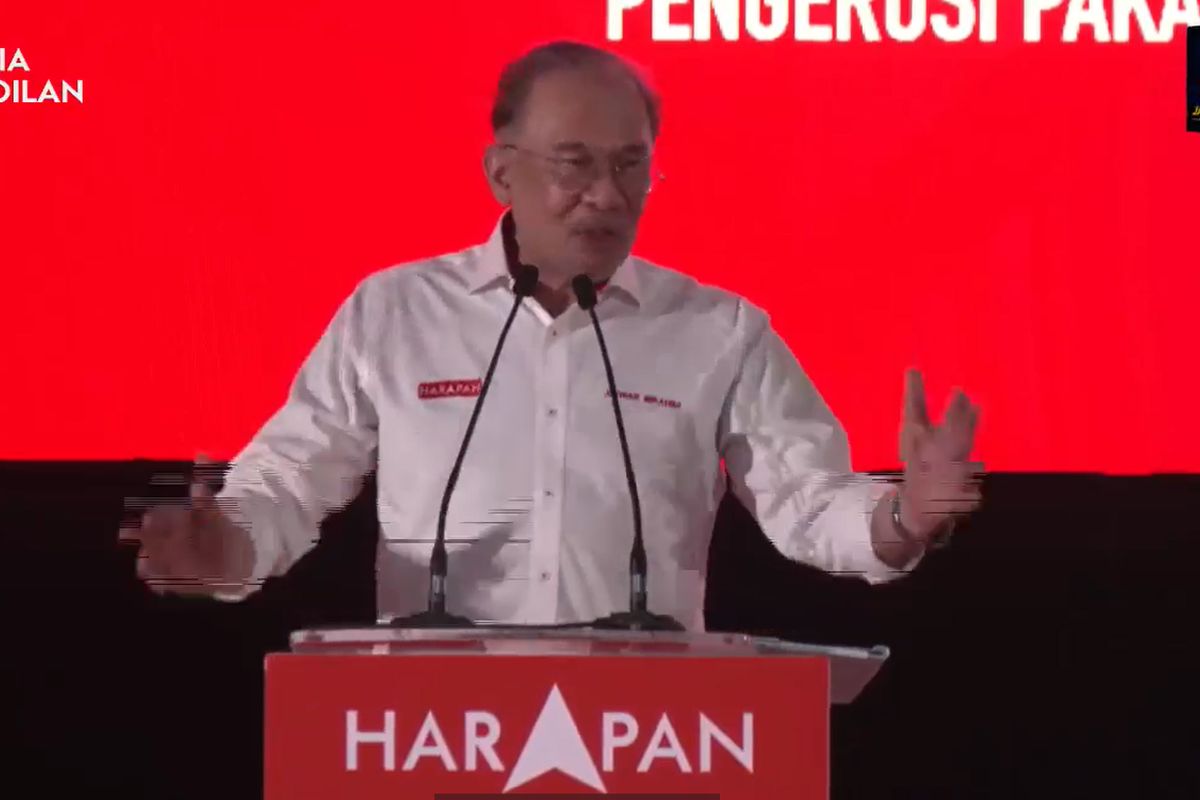
(Aug 2): Malaysian Prime Minister Anwar Ibrahim’s coalition lost a key state election to the once-dominant Barisan Nasional, raising fresh doubts about his political standing ahead of the next general polls.
Anwar’s Pakatan Harapan coalition won only 11 of 36 seats in Negeri Sembilan on Saturday, down from 17 previously, with even Malaysia’s transport minister losing his place in the state assembly. Barisan and its ally in the election, Perikatan Nasional, led by the top Islamist party, won a combined 25 seats and are now set to form the new state government with a supermajority. Voter turnout was about 73%.
The result is a severe blow to Anwar and Pakatan, which had controlled Negeri since 2018 and hoped the election would help turn around their fortunes. Pakatan won just one seat in Sabah last November and lost seats in Johor in July, leading Anwar to play down the prospect of calling snap national elections.

Anwar’s defeat threatens to inject fresh political uncertainty into Malaysian markets and weigh on the ringgit, one of Asia’s top performing currencies in the past year. A weaker mandate for the premier could complicate efforts to push through economic and fiscal reforms amid concerns over whether he will be able to extend his rule for another term.
Located just 60 km south of Malaysia’s capital, Kuala Lumpur, Negeri Sembilan is a small state that is rapidly developing into a secondary data center hub. It’s also home to a fledgling semiconductor industry. The Negeri Sembilan poll was called after an attempt to unseat the current state monarch by some local chieftains led Barisan to withdraw its support for the Pakatan government.
Barisan, which ruled Malaysia for six decades until it was routed in the 2018 general elections, is maintaining its momentum after a resounding victory in the state of Johor last month. Despite being part of Anwar’s ruling coalition at federal level since 2022, Barisan is competing with Pakatan at the state level. In the Negeri poll, it won 18 seats after forming a Malay-Muslim bloc with Perikatan, which won seven.
Barisan leaders are unlikely to resign from government as a tactic to force a general election, said Adib Zalkapli, founder of geopolitical risk consultancy firm Viewfinder Global Affairs. Anwar relies heavily on Barisan to keep his multi-coalition government intact, with its chief Ahmad Zahid Hamidi holding the deputy prime minister role. The next general election is not due until February 2028.
Barisan’s ally, Perikatan, is led by Parti Islam Se-Malaysia, and further cooperation between the two blocs could diminish Anwar’s chances of winning a second term as prime minister. Between them, Barisan and Perikatan have the biggest backing among Malay Muslim voters, who make up two-thirds of the population.
The biggest casualty during Saturday’s vote was Minister of Transport Anthony Loke, who lost his state seat. Loke is the secretary-general of the Chinese-dominated Democratic Action Party — the biggest party in Anwar’s coalition. The DAP had lost seats in Sabah and was dethroned by Barisan’s Malaysian Chinese Association as the biggest Chinese party in Johor.
Loke’s defeat could add further impetus for the DAP to review whether to retain its cabinet posts during a party meet later this month.
Aminuddin Harun, Negeri Sembilan’s two-term chief minister and a vice-president of Anwar’s People’s Justice Party, also lost his seat.
Barisan is a favorite to retain control of Malacca in another state election due by January. It already holds a supermajority there. Barisan’s chief Zahid said the ties with Perikatan will continue there, the New Straits Times reported. Local elections in the state of Sarawak on the island of Borneo are also due by February.
Find out all you need to know about the 2026 Negeri Sembilan election here.
Uploaded by Lam Seng Fatt
The content is a snapshot from Publisher. Refer to the original content for accurate info. Contact us for any changes.
Comments